
ABC Widgets

Hand-finished in Ohio since 1978

ABC Widgets

Made well.Built to last.

We have made widgets in the same Ohio workshop since 1978 — in batches of forty, each one finished and inspected by hand before it leaves us.

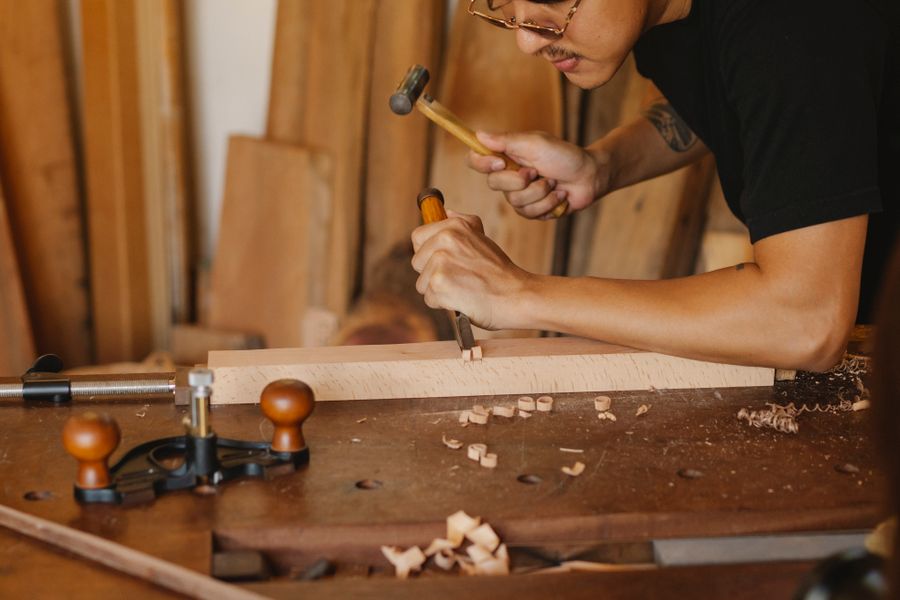
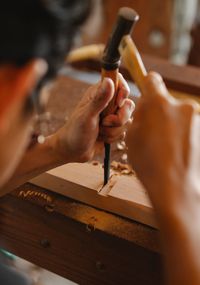
A maker guiding a chisel across a piece of hardwood at the bench
Final shaping, by hand
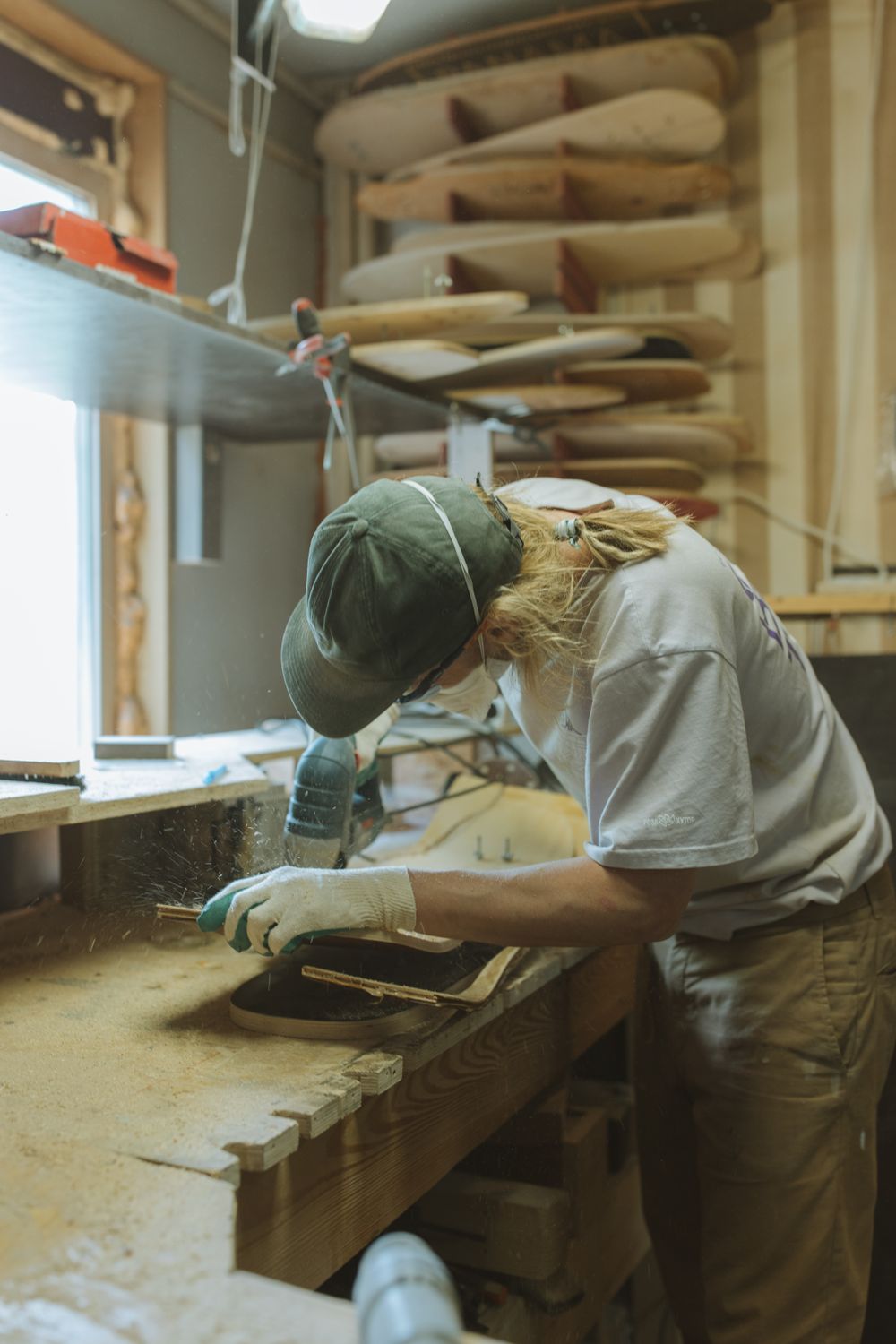
A maker working at a bench in the ABC Widgets workshop, surrounded by tools and stacked timber
The main bench
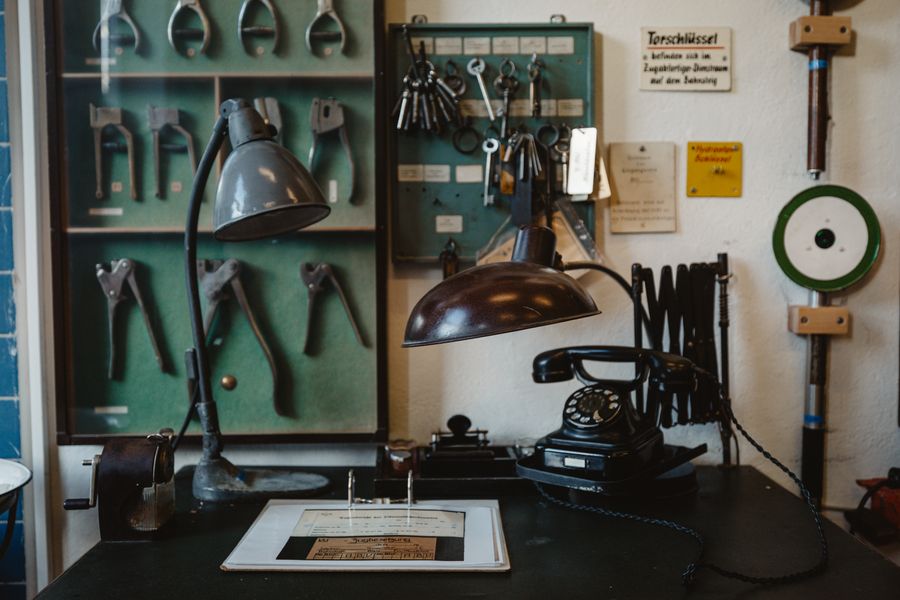
Hand tools hung on a rack above a workbench, with a task lamp and desk telephone
Tool wall

Our standards

Four things we don't compromise on

These are the decisions that shape how a widget is made here, and the reasons we've kept them.

01

Finished by hand

Machining gets a widget close. The final shaping, finishing and checking are done by a person at a bench, because that stage is where the differences in feel and durability actually appear.

02

Batches of forty

A run of forty is small enough that one maker can stay with it from start to finish. It keeps quality consistent within a batch and makes any variation easy to trace.

03

Materials chosen to age well

American black walnut, solid brass, oiled ash and waxed linen. We choose materials that wear in rather than wear out, and that can be refinished instead of replaced.

04

Made by someone you can name

Each widget ships with a card naming the maker who finished it and the date it was completed. If anything isn't right, we can trace it back to the bench it came from.

Craftsmanship

How a widget is made

Four stages, spread across roughly eleven days. Most of that time is spent waiting for finishes to cure properly.

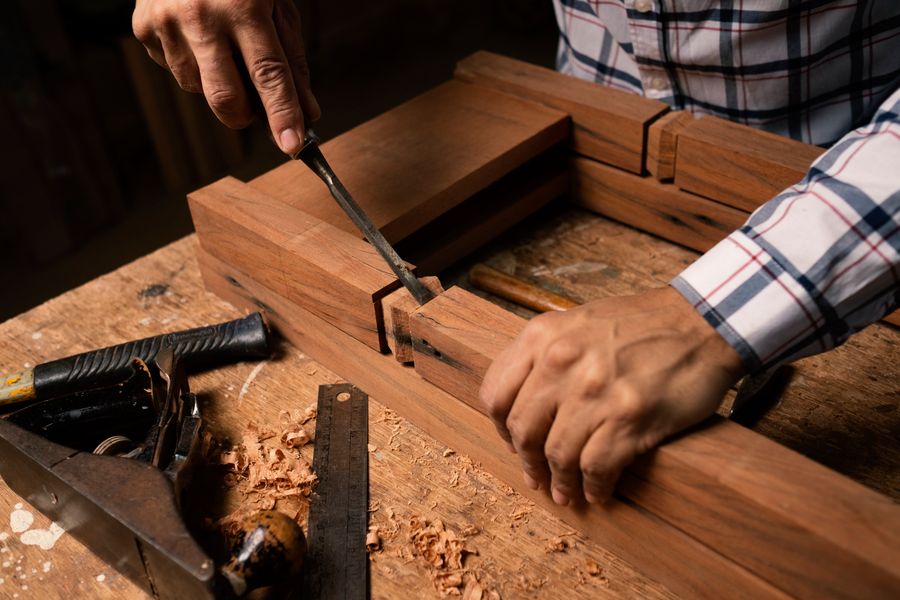
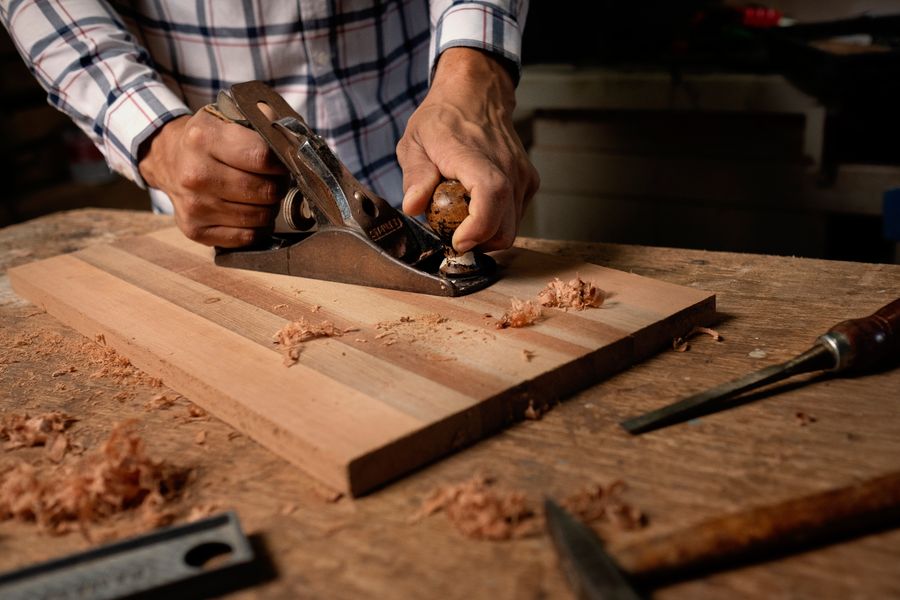
A hand plane taking a shaving off a prepared board

Stage one

Stock preparation

Boards are milled, rested for a week, then milled again. Timber moves as it settles, and we would rather it did so before we start.

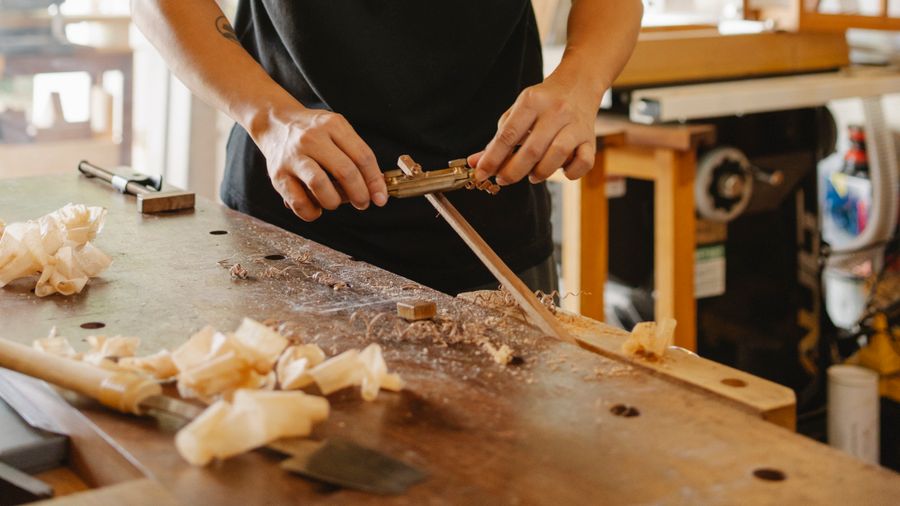
A maker shaping a slender wooden component with a spokeshave

Stage two

Shaping and fitting

Components are cut, fitted and adjusted by hand. Tolerances are held to 0.02mm, checked against a reference sample kept at each bench.

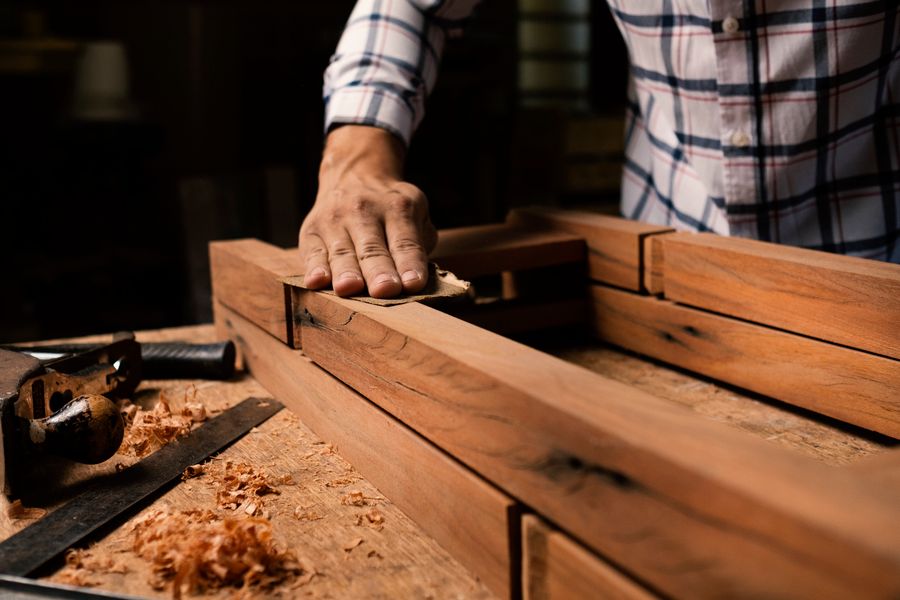
Hands smoothing a wooden frame with abrasive paper

Stage three

Finishing

Sanded through four grits, then two coats of oil with a full cure between them. The second coat is what gives the surface its depth and its resistance to marking.

An inspection bench with measuring tools, parts trays and an angled lamp

Stage four

Inspection and signing

Every widget is measured, handled and checked under daylight-balanced light. The maker signs the card, and only then does it go into its sleeve.

We will service or refinish any widget we have made, whenever you need it. Some of the ones that come back to us were made before the people who repair them were born.

In use

How they hold up over time

Many of our customers have bought from us for more than a decade. These are their words, used with permission.

We compared eleven suppliers before choosing ABC. Six years on we haven't replaced a single unit, and the finish has held up better than anything else we've bought.
Profile photograph of Marguerite Okonjo Marguerite Okonjo
Operations Director, Halloway Vance Group
The build quality was clear as soon as we unpacked them. What we didn't expect was the service — we sent one back for refinishing after four years and it came home looking new.
Profile photograph of Devin Ashcroft-Bell Devin Ashcroft-Bell
Head of Procurement, Northsea Piedmont
We order a small number each year. The weight and the finish are consistent from batch to batch, which matters more to us than the price does.
Profile photograph of Priya Raghunathan Priya Raghunathan
Purchasing Manager, Calder & Fisk
1978
Making widgets in the
same Ohio workshop
40
Widgets per batch,
one maker throughout
11 days
From prepared stock
to finished widget
0.02mm
Tolerance held on
every fitted component

Journal

From the workshop

Notes on materials, process, and the reasoning behind how we make things.

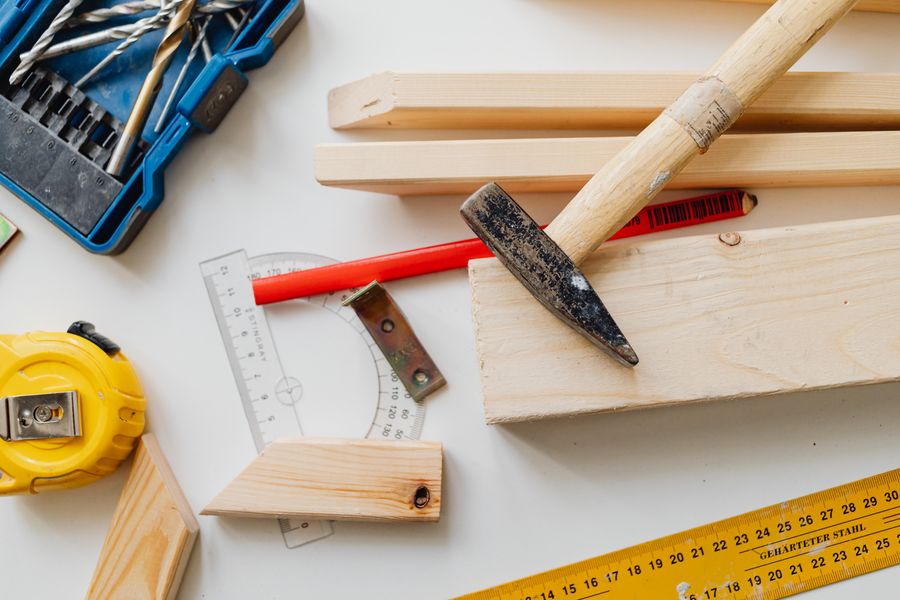
Rough sawn timber laid out beside a row of carpentry hand tools

Materials

Choosing walnut: what we look for in a board

We buy from a small mill four hours from the workshop and have done for thirty years. This is what we check before a board is accepted — grain direction, moisture content, how it has been stacked — and why those three things decide most of what follows.

Read more
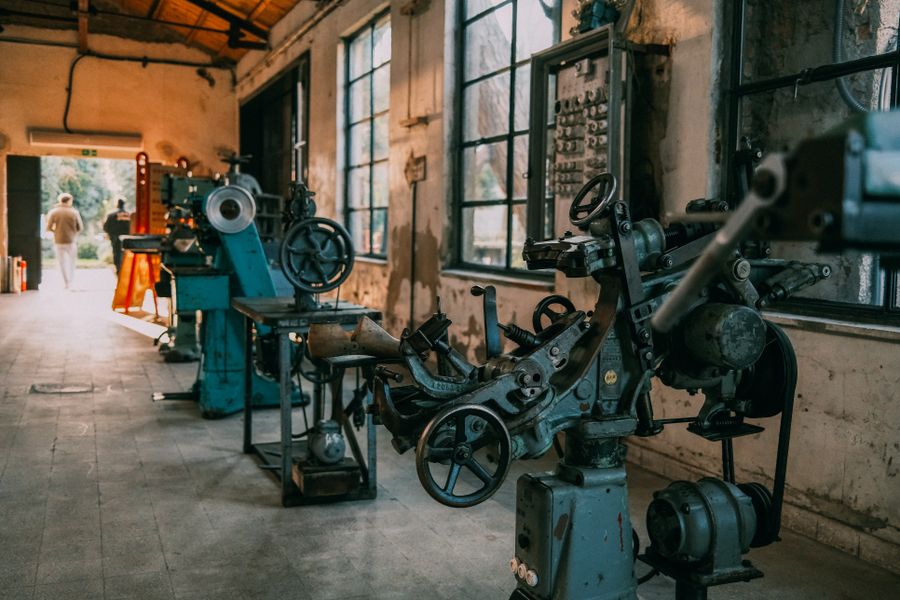
Interior of the ABC Widgets workshop with machinery, timber walls and shelves of tools

Inside ABC

A walk through the workshop, end to end

340 feet from door to door. Rough milling happens at the front, assembly and shaping in the middle, and hand-finishing at the back under the north windows. Here is what takes place at each stage, and why the order matters.

Read more
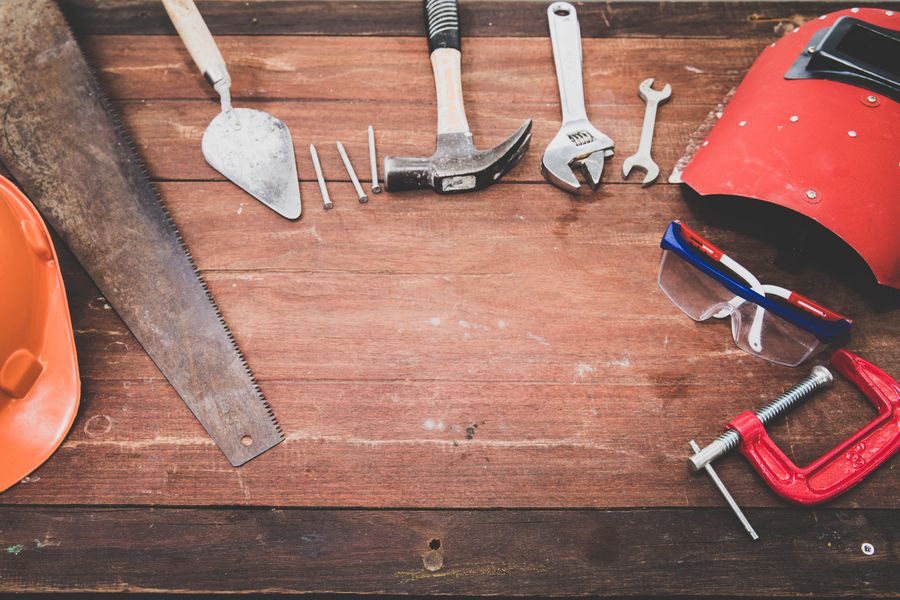
Overhead view of hammers, chisels, a saw and clamps arranged on a wooden table

Process

Why we apply a second coat

One coat is faster and, for most purposes, adequate. We have applied two since 1991. This explains what the second coat contributes to durability and surface feel, and why we think it justifies the extra day of curing time.

Read more

About us

Forty-eight years in the same workshop

ABC Widgets was founded in 1978 by Arthur B. Calloway, in a small workshop in Ohio that we still use today. The name is simply his initials. He began with one bench and a straightforward standard: make each widget properly, and do not send it out until it is right.

We have grown since then. There are now four hundred and six of us across eleven buildings, and we make more widgets in a year than Arthur made in a decade. We still work in batches of forty, still finish every widget by hand, and still put the maker's name in the box.

We are not the largest widget manufacturer in Ohio and have never set out to be. What matters to us is that a widget bought here in 1985 can still be serviced, refinished and used today. A good number of them are.

Arthur B. Calloway, founder, 1978–2009

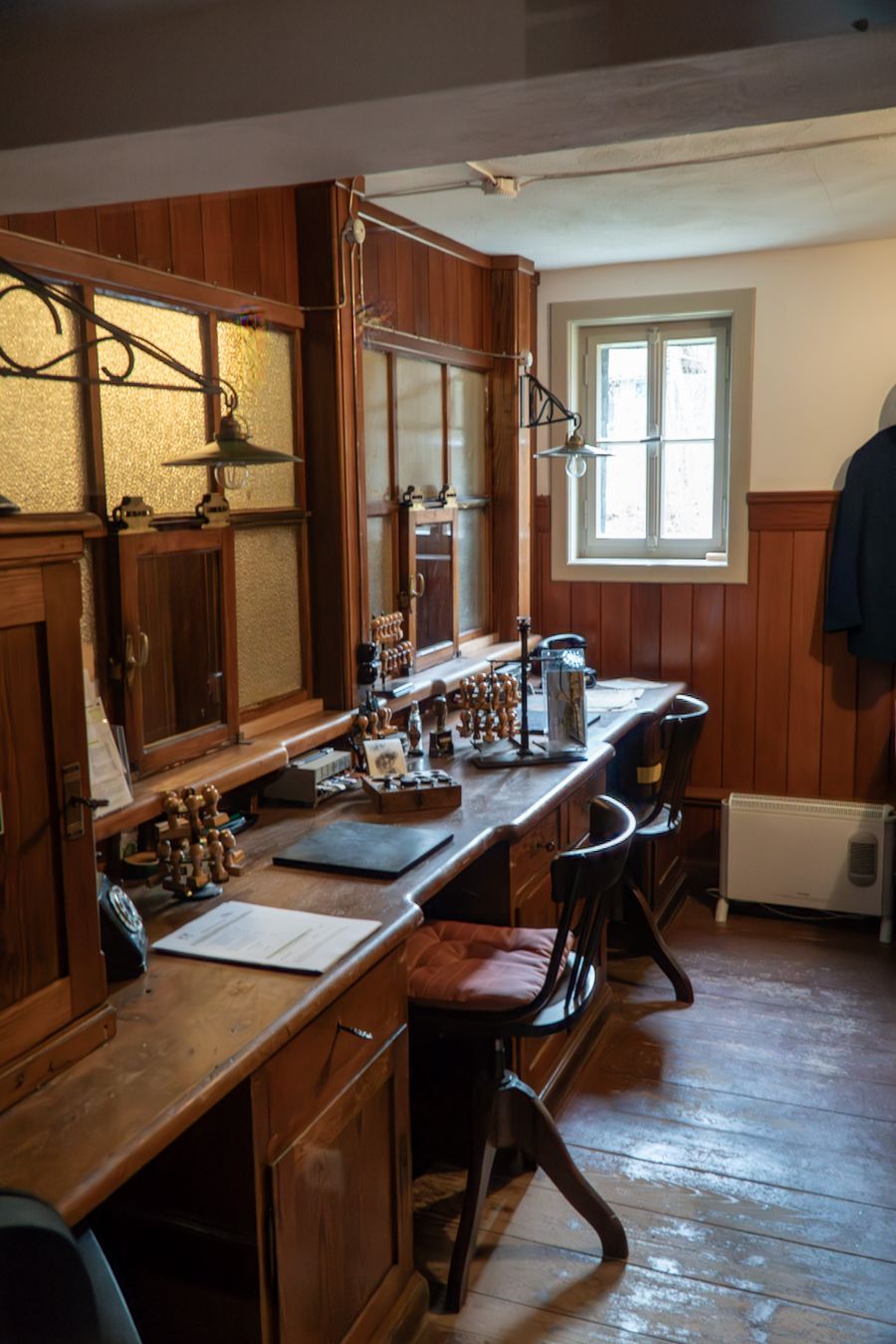
The original workshop office, with a wooden desk, early equipment and a large window A maker tapping a chisel with a mallet at a worn workbench